Equine Colic
One of the most worrying things for a horse owner to hear is the word colic. This is due to its prevalence in all ages/types of horses and its potential to do harm. Colic is the largest cause of death in horses. Today, I thought I could have a look into it more and what it actually means when we say that a horse has colic.
Strictly speaking, colic just means abdominal pain. It is not a specific issue and actually the term is used under a range of issues. Horses are monogastric (meaning they only have one stomach) and that stomach is relatively small. Underneath, I have attached a photo. The junction between the Esophagus and the Cardiac sphincter shows a valve that is only one way. This means that substance is able to move into the stomach but not out. Therefore, horses are unable to vomit and burp! However, this can cause many serious issues as things may block the stomach causing acute colic pain. This system also increases the risk of gastric rupture due to internal pressure tearing the stomach lining.
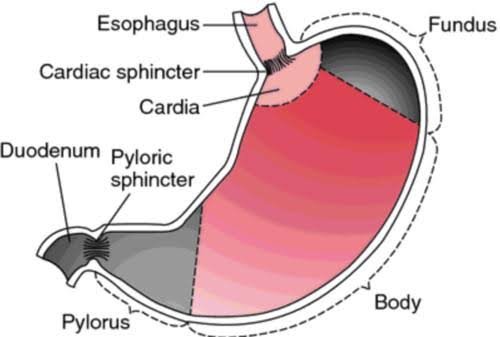
Types of colic - there is a wide range of different types of colic
Gas colic (tympanic colic) and Spasmodic colic
Whilst being different colics, they are often paired together as gas colic often causes spasmodic colic.
These are the most common types of colic found in horses and are caused by the build up of gas in the digestuive system. They can be caused by a change in diet. As horses are unable to burp - for reasons seen above, the gas needs to pass through the intestinal tract. This may cause muscles in the stomach to spasm
Often for gas colic, a vet will prescribe anti-spasmodic medication that relaxes the muscles and prevent spasms. This will help the gas pass through the system more quickly and less painfully. These drugs are actually sometimes used in humans to help manage things such as IBS, overactive bladder issues and painful menstrual cramps. A lot of drugs used in animals can also be used in humans and vis versa!
Impaction colic and sand colic
This colic occurs when there is a blockage (often of dry feed) in the GI tract. This prevents more food from entering the stomach, causing the impaction to dry out and increase the severity of the blockage.
A major risk factor for impaction colic is dehydration. This issue is more common in the winter as horses are less inclined to drink frozen/very cold water. The move towards hay rather than grass can also cause issues as hay has a much lower water content. When horses are kept in the stable, they may get bored and eat their bedding (straw) which is another risk factor associated with impact colic.
Sand colic is essentially the same thing but occurs when a horse is eating soil when grazing.
Enteritis
This is when the intestine becomes inflamed. This causes stomach pain and fluid build up. As the horse is unable to burp, this fluid buildup could quickly rupture a stomach if the fluid is not removed.
Risk factors for this type of colic include: bacterial infections, feed changes, NSAID medication or ingestion of toxic matieral.
Oftentimes, anti-inflammatory medication is used to came down the small intestine.
Displacement colic
This can be caused by a few different conditions such as left dorsal displacement, right dorsal displacement or large colon volvulus (most serious where the entire colon rotates). This occurs when internal structures in the body move into the incorrect position. This leads to a blockage in the digestive tract restricting passageway. This is a very extreme type of colic and can very quickly become life theateninig as can cause strangualation colic.
Displacement colic is oftentimes a result of morphology ( Warmbloods are affected more than other types of horses by left dorsal displacement. Large colon volvulus is more common in horses that have recently given birth and horses with quick dietary changes. Horses are at a greater risk when they have consumed more starch than normal as this can cause gut dysbiosis (where the gut microbiome is imbalanced) which puts the horse at a higher risk for displacement colics.
It can be treated
Strangulation colic
This colic is extremely severe. It can be caused when the small intestine twists itself and cuts off the blood supply. This can cause the intestinal walls to break down and release toxins to the body. This condition is often fatal without intervention and so surgery is oftentimes the only option.
It can be caused by things called strangulating lipomas. These are fatty tumors than grow inside the stomach and can wrap around the small intestine. Torsion were the intestine twists itself is another cause.
Symptoms of colic
All horse owners are well aware of the common symptoms of colic. These can include: constant rolling on the floor/ lying down, a lack of interest in food and water, lethargy, and sweating.
Some more symptoms that are less well known include: lip curling (this is called flehmen response scientifically and can show that the horse is experiencing abdominal pain), groaning and standing unusually.
Surgery Treatments for colic
Typically, this involves a procedure known as an exploratory celiotomy to look at the obstruction/strangulation that is causing the issue. This is quite an expensive procedure, costing between £3000- £20,000.
Vet advice
As always, preventation is far more beneficial than medication. Here is some advice that many vets recommend to prevent colics.
High fibre forage diet (limit lush grass)
Prevent eating from a sandy surface
Ensure horse has access to fresh clean water
If a change in diet is needed, ensure that this is done gradually
Change in routine should be done gradually to prevent stress (for example a horse suddenly moving into box rest may be a stressful experience)
Ensure teeth are kept up to date (check ups done every 6-12 months)
Ensure horse is up to date with wormer as having worms can increase damage to the intestinal tract.
Try and keep your horse turned out throughout the year as keeping a horse in a stall is known to greatly increase the risk of colic
Ensure that you are familiar with the normal for your horse and keep on the look out for abnormal droppings/urination behaviours,
In conclusion, colic is a variety of issues found in horses. Horses have surprisingly fragile stomachs and so owners should always be cautious when making big changes with their horse. Interestingly, the severity of symptoms is not always synonymous with the severity of the issue and so owners should always take colic issues seriously.
Please note I am not a vet. Consult your veterinarian if you have concerns about an animal.